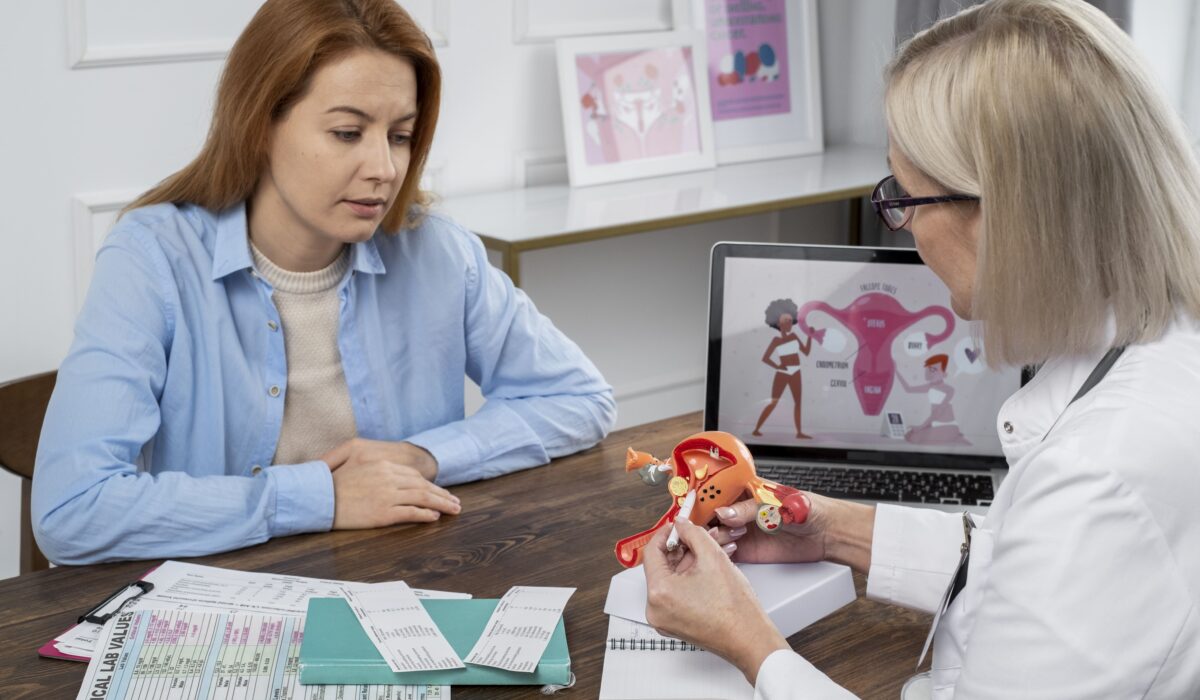
Understanding the Menopausal Transition
Menopause is a natural biological milestone marking the conclusion of a woman’s reproductive years. It is officially diagnosed after 12 consecutive months without a menstrual period, typically occurring between ages 45 and 55 (the average age in India is approximately 46–48 years).
The years leading up to this milestone are known as Perimenopause. During this transition, fluctuating estrogen and progesterone levels can cause a wide spectrum of physical, emotional, and metabolic changes.
Not every woman requires or desires Hormone Replacement Therapy (HRT). Today, modern gynecological practice provides an extensive range of safe, non-hormonal, and lifestyle-driven options to restore comfort and vitality.
Learn more on our dedicated Menopause Care Page.
Common Symptoms of Perimenopause and Menopause
1. Vasomotor Symptoms
- Hot Flashes: Sudden sensation of intense heat spreading across the face, neck, and chest.
- Night Sweats: Profuse sweating during sleep leading to frequent awakenings and chronic fatigue.
2. Physical & Genitourinary Changes
- Irregular Menstrual Cycles: Unpredictable flow, missed periods, or heavy cycles.
- Vaginal Dryness and Dyspareunia (pain during intimacy).
- Urinary Urgency or recurrent mild urinary tract irritation.
- Joint stiffness, muscle aches, and slowed metabolism.
3. Mood & Cognitive Symptoms
- Brain fog and memory lapses.
- Mood swings, unexplained anxiety, or depressive feelings.
- Sleep disturbances (insomnia).
Non-Hormonal Strategies for Symptom Relief
1. Managing Hot Flashes & Night Sweats
- Breathable Cotton Clothing: Dress in layers and maintain cool room temperatures.
- Trigger Moderation: Cut down on spicy foods, caffeine, hot beverages, and alcohol.
- Selective Non-Hormonal Medications: Prescribed low-dose thermoregulatory stabilizing agents provide 50–70% reduction in vasomotor severity.
2. Protecting Bone Mineral Density (Osteoporosis Prevention)
- DEXA Bone Mineral Density Scan: Baseline screening to detect osteopenia before fractures occur.
- Calcium & Vitamin D3 Optimization: 1000–1200 mg elemental calcium daily combined with Vitamin D3.
- Weight-Bearing Resistance Exercises: Walking, squats, light weights, and yoga strengthen bone trabeculae.
3. Managing Vaginal Health & Intimacy
- Hyaluronic acid-based non-hormonal vaginal moisturizers used 2–3 times weekly.
- Water-based lubricants during intimacy.
- Low-dose local topical vaginal estrogen creams if prescribed for targeted, local mucosal relief without systemic absorption.
Cardiovascular & Metabolic Health After 40
Post-menopausal women have an increased risk of dyslipidemia and hypertension. A comprehensive annual checkup should include:
- Fasting lipid profile (Cholesterol, LDL, HDL, Triglycerides)
- Fasting blood glucose & HbA1c
- Blood pressure monitoring
- Mammography and Pap smear screening
Frequently Asked Questions (FAQs)
Perimenopause can last anywhere from 2 to 8 years before periods stop permanently.
Yes. Clinical studies show that prescribed non-hormonal agents combined with lifestyle adjustments can reduce hot flash frequency and severity by 50–70%.
Any vaginal bleeding that occurs after you have gone 12 months without a period is considered post-menopausal bleeding and must be promptly evaluated with an ultrasound and endometrial check.

Dr. Honey Gemavat
Specialist Gynecologist offering comprehensive midlife and mature women’s preventive healthcare in Malad East, Mumbai.